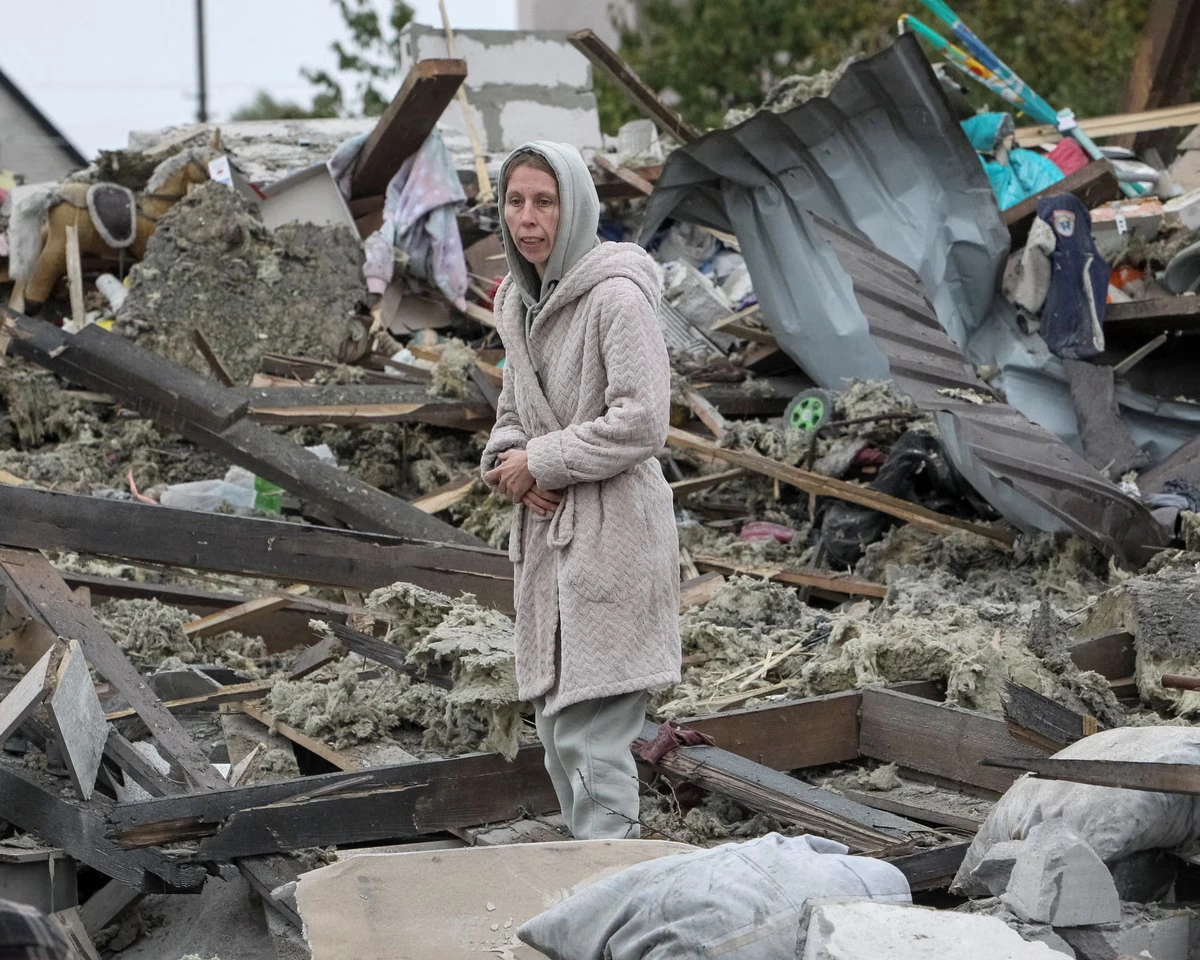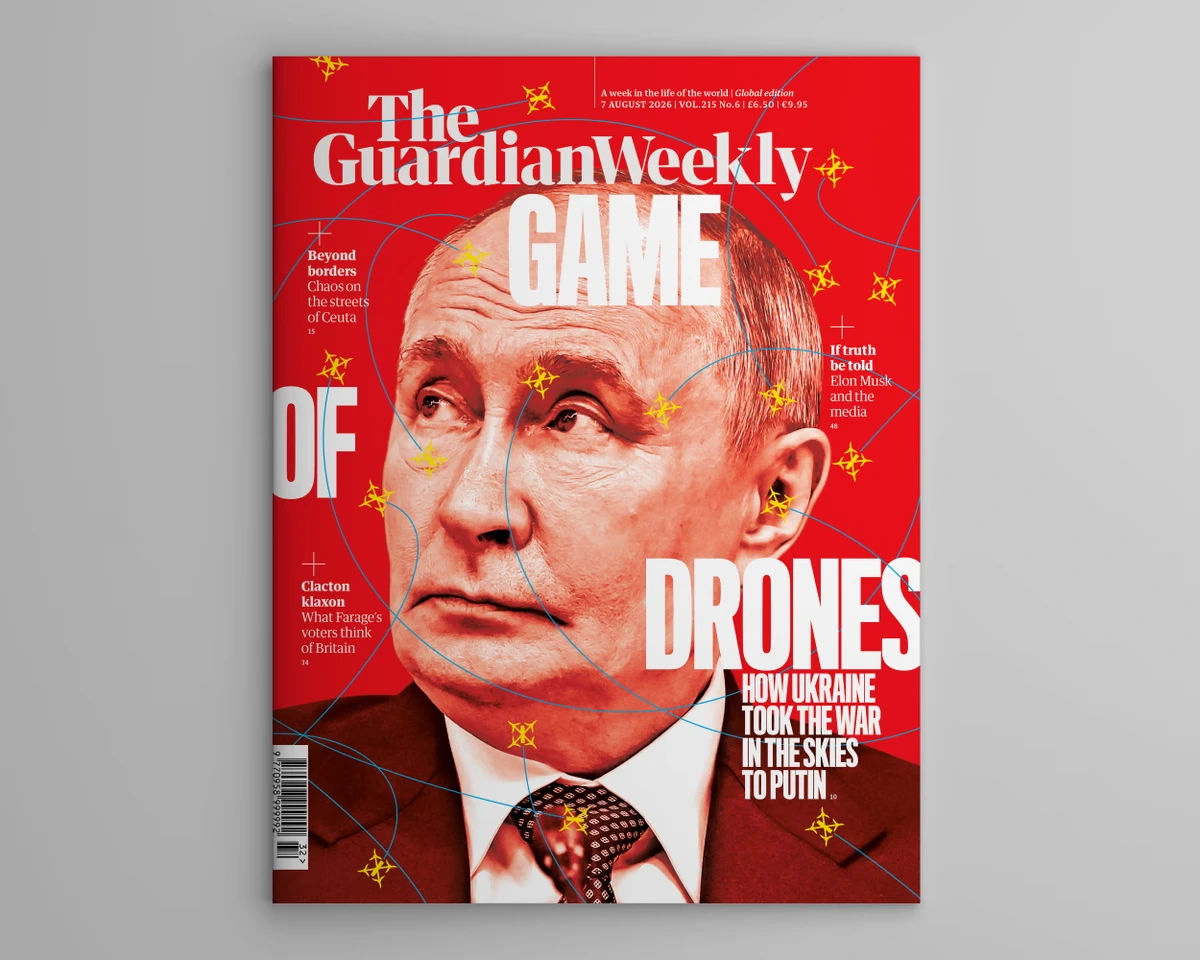
When Vladimir Putin sent his tanks over the Ukrainian border to seize Kyiv in February 2022, it’s unlikely he evisaged the mess he finds himself in today. Four-and-a-half years later, Russia remains bogged down in what is no longer simply a ground war but one increasingly being fought in the air by drones.
After years of nightly attacks from Russian ballistic missiles and Iranian-designed Shahed drones, Ukraine has responded by scaling up to become the world’s leading manufacturer of unmanned systems. Its retaliatory campaign targeting Russian energy and retail infrastructure is bringing the war to the doorsteps of Russians in Moscow, Crimea and beyond, making life distinctly uncomfortable for Putin and his regime’s messaging over a “special military operation” that was expected to last days rather than years.
For our big story this week, Luke Harding gained exclusive access to Ukraine’s elite drone strike force, going behind the scenes with senior commanders.
Then Robert Tait reports on how Ukraine’s growing defensive knowhow against Iranian drones has unexpectedly brought Volodymyr Zelenskyy back into favour with Donald Trump’s White House. But not all is rosy for the Ukrainian president, who is under growing pressure at home over his decision to sideline a popular military commander, as Michael Segalov explains.
Get the Guardian Weekly delivered to your home address
Five essential reads in this week’s edition
Spotlight | Chaos on the streets of Ceuta
People among the more than 70,000 who entered the Spanish enclave in north Africa last week describe the journey and their prospects to Okba Mohammad and Javier Jennings Mozo
Technology | What if the streetlights have eyes?
The new breed of camera-equipped streetlights has the potential to fight crime and track down missing persons. Or will it just take us one step closer to surveillance states, asks Zoe Williams
Feature | The Clacton klaxon: what Farage’s voters think of Britain
The Reform UK leader’s constituency takes in genteel resorts and one of England’s poorest villages. With a snap byelection approaching, Tim Burrows finds out what residents want from him and their views on the country at large
Opinion | The battle of Elon Musk and the media
The trillionaire Tesla owner has called the editor of the Economist a “traitor to the west” after a clash-filled interview. The truth must not be the loser, argues Jane Martinson
Culture | Why is the National Theatre shaking up Sophocles?
Australian theatre director Benedict Andrews’ bold new London production Electra/Persona, starring Cate Blanchett and Nina Hoss, fuses Sophocles and Ingmar Bergman. Mark Lawson asks what it tells us about how we live today
What else we’ve been reading
As a south London cat owner, I loved this rollercoaster account of the life and death of another local tabby. I’m not sure what I’d make of a pet that uses the toilet and escorts people up and down the street, but Karl sounds like a remarkable moggy who was most deserving of his memorial plaque. Graham Snowdon, editor
“Best of” lists are something I usually skip, but this one has me entranced. A 10-day, top-10 countdown of the most popular invertebrates, as nominated by Guardian readers, that is beautifully written and illustrated. It made me appreciate the usefulness and beauty of creatures that I might otherwise flinch away from. Isobel Montgomery, deputy editor
Other highlights from the Guardian website
Audio | AOC 2028: could she be the first female US president?
Video | How the north of England fell in love with American deli sandwiches
Gallery | The stories behind Gered Mankowitz’s most iconic music portraits
Get in touch
We’d love to hear your thoughts on the magazine: for submissions to our letters page, please email [email protected]. For anything else, it’s [email protected]
Follow us
Get the Guardian Weekly magazine delivered to your home address