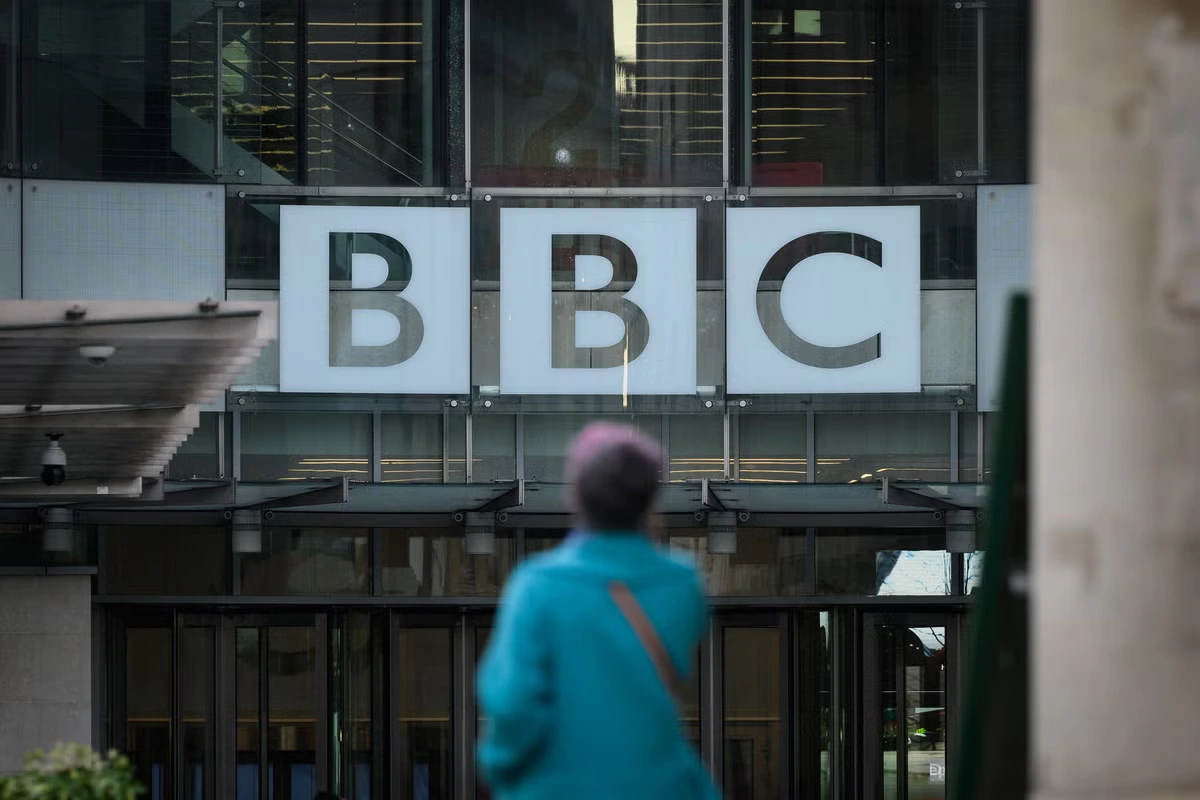
The government is set to unveil plans to extend the BBC licence fee to online streaming services in what is unofficially being dubbed a “YouTube tax”.
A white paper on the BBC charter renewal will be published before Christmas and will include proposals on how to overhaul the current funding model to increase revenue and reflect how audiences consume content.
A senior Whitehall source told The Independent the plan is to expand the licence fee to streaming platforms to prevent people dodging it by logging on to the internet via their phones, tablets or computers.
Currently, anyone who uses a television to watch content must pay the licence fee even if they do not watch the BBC. Under the proposed changes it would be expanded to cover all other online providers, such as Netflix, Amazon, Disney Plus, YouTube, which are currently exempt.
It is understood any new cash raised under the plan will need to be spent on reviving local journalism and tackling misinformation, which has fuelled the rise of parties such as Reform UK.
The Whitehall source explained that the move was “because people are able to use them to avoid paying currently”. They added: “It’s not fair that people are essentially able to watch television content but avoid the licence fee.”
The source said there had been a “hold up” with the charter renewal talks under the previous administration. “But now we have had a change of prime minister we are able to press ahead with the plan to expand it to streaming platforms”, they added.
The new arrangements have been dubbed the YouTube tax because the site is by far the biggest online video platform in the UK with around 55 million users.
The proposal would be a means of helping tackle the crisis facing the BBC amid fears millions of people will stop paying the licence fee, which is currently £180 a year but free for people aged 75 and older, and 50 per cent discounted for the visually impaired.
It comes after the BBC director-general Matt Brittin said he wants BBC News to be on streaming sites such as Netflix in a bid to reform how the broadcaster’s content is consumed and paid for.
Mr Brittin previously said the corporation was being “held back” by its TV licence fee, which is “no longer fit for purpose”, and suggested it be replaced by a household levy instead.
Speaking on the BBC’s Sunday With Laura Kuenssberg programme, he emphasised the need to modernise the current funding model to ensure it is fair and reflects how audiences consume content.
He said: “What we need to look at is the current model. You pay the licence fee if you watch live TV or you’re on iPlayer.
“I’d like to see reform that allows us to be where audiences are. I think BBC content should be on Netflix, on YouTube, on TikTok, on Spotify, and Instagram, and everywhere where audiences are.
“Particularly news, actually, which I think is part of disinfecting misinformation. It’s our job to be everywhere.”
The most recent figures revealed that around 539,000 fewer TV licences were in force in the year to 31 March 2026. There has been a drop of around 2 million in the past five years.
The BBC has been facing spending cuts with question marks over flagship programmes such as Newsnight, and recently cut 10 per cent of its staff. Despite collecting around £3.8bn to £3.9bn from the licence fee, the BBC recorded an operating deficit of £121m for 2025/26.
However, the Whitehall source warned the income from the levy would not be able to use the increased revenue from the extended licence fee to fill gaps in its spending.
“The money needs to be used to help support local journalism and counter a lot of the conspiracy theories and fake news which we have seen help parties like Reform getting elected in different parts of the country,” they said.
A BBC spokesperson said: “We have consistently argued that the current funding model is outdated and needs reform. We will continue to engage with government to secure a new charter that provides sustainable, sufficient and universal funding so the BBC can deliver for audiences for generations to come.”
The royal charter is being renegotiated by culture secretary Lisa Nandy’s Department of Culture, Media and Sport and sets out the arrangements for the governance of the BBC, including how it is funded.
It currently has to be renewed every 10 years and is set to end in December 2027.