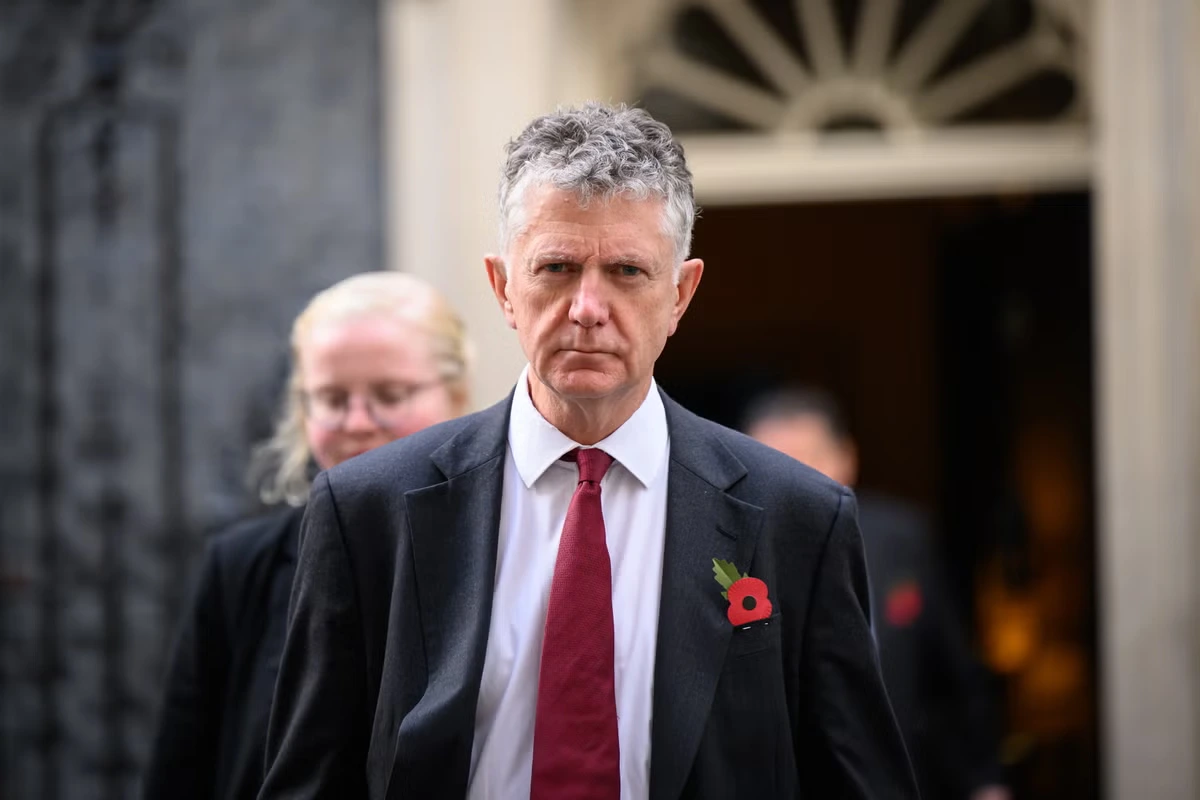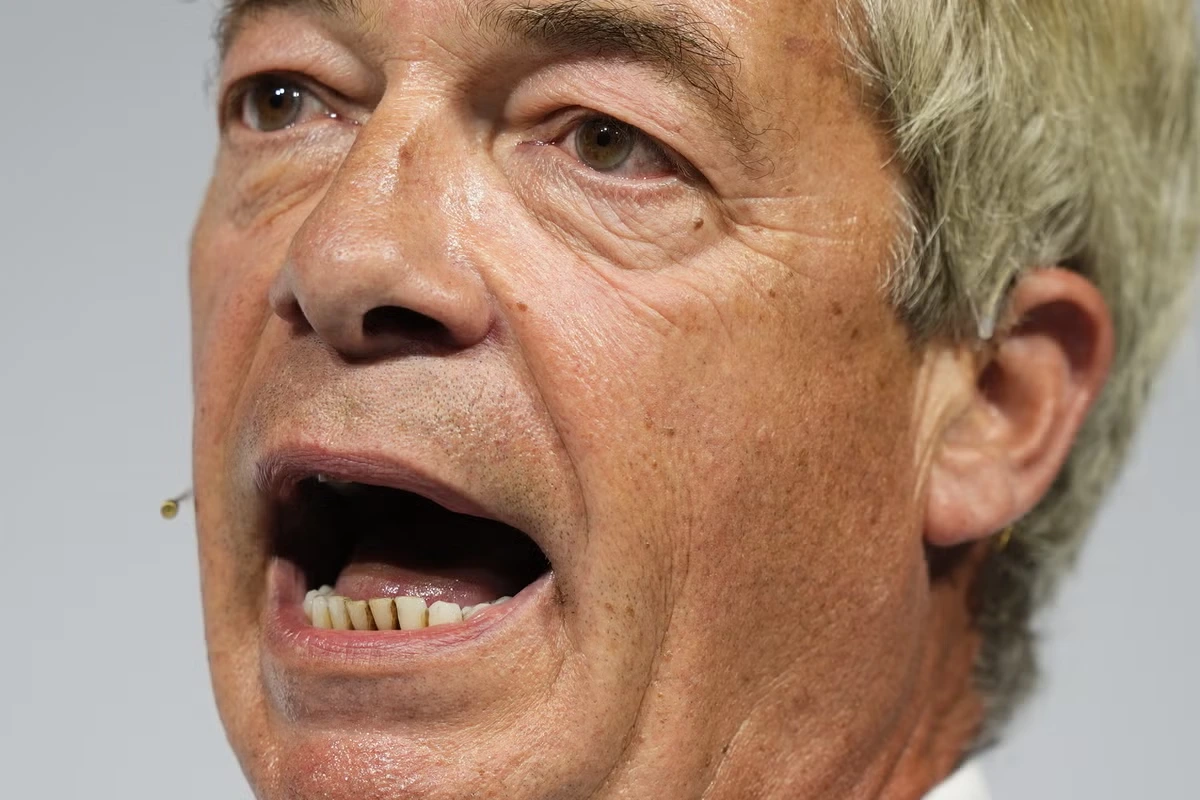
Nigel Farage “might be realising that with great power comes great scrutiny,” former No 10 special advisor Cleo Watson has said on the latest episode of In The Room.
The Reform party has seen a notable decline in UK polling as questions mount over a £5 million donation from a crypto billionaire which Mr Farage received before he ran as Clacton MP. The Parliamentary Standards Commissioner has announced a formal investigation into the donation.
It’s been a tricky couple of weeks for the Reform leader. Over the weekend, concerns were raised by Mr Farage’s allies over his relationship with convicted criminal George Cottrell. Before that, he was under scrutiny over reports of his mortgage-free property portfolio worth more than £4 million, and it was revealed that he was paid more than £22,000 an hour to promote gold bullion.
Mr Farage appeared on several TV interviews about the donations scandal, where he stumbled over his words, changed his story about what the money was for, and insisted that ‘no one cares’ about MPs’ private finances. Mr Farage later cancelled an appearance on the BBC’s flagship political programme Sunday with Laura Kuenssberg, because he “changed his mind”.
“He’s hiding,” Helen MacNamara, former deputy cabinet secretary, stated on the episode. “But we've got to remember that Nigel Farage has survived more near-death experiences than most people in modern politics.”
Watson agrees: “He’s the comeback kid. Nigel Farage has this snake-like ability to keep shedding his skin. He gets tired of the latest iteration, whether that's UKIP, Leave.eu, Brexit Party, Reform. And he shrugs it off, and disappears, and then regenerates, and comes back a year or so later and says, ‘It's me, I'm back. I've got great new skin.’”
However, Watson points out, this time round, there is one key difference: “This is the first time he's done it with a seat in the House of Commons. I think he’s realising that with great power comes great scrutiny.”
This week, a YouGov poll revealed that 61 per cent of Britons consider Reform UK to be a “main party”, up from 19 per cent two years ago. “That’s a big step change,” Watson says. “It's very hard to argue yourself as an insurgent if two-thirds of the public now see you as one of the main parties.”
MacNamara explains Mr Farage’s career, built on an “outsider, maverick, anti-establishment, underdog, campaigning, good soldier, ‘I'm just one of you’ persona”, is directly contradicted by a parliamentary expenses scandal.
Watson agrees. “The money and the expenses aren’t actually the bad bit. The bad bit is that people see this as a ‘Westminster problem’, which is bad for him, because he looks like an insider.”
“The problem for Reform is that they're leading the polls, but they are yet to win a by-election. I think that boils down to how Reform itself as an organisation runs.”
Watson says that the issues in Reform’s organisation are partly down to the recent influx of ex-Conservative MPs who have flocked to the party. On 15 January, Robert Jenrick spectacularly defected from the Tories to team up with Mr Farage after Conservative leader Kemi Badenoch fired him from the shadow cabinet and suspended his party membership.
“They've taken on a load of what I would call Tory dross, which is former Conservative ministers. But as campaigners, they are not running themselves that well, because some of these by-elections, they really ought to have won, and they didn't. Similarly, they should know how to declare things. This is basic stuff.”
MacNamara suggests that Reform’s problem is that they’ve risen through the party ranks faster than they, themselves, can adapt. “They haven't caught up with their own popularity yet. They still see themselves as these scrappy underdogs. But once you start to lead the polls, it is a different level in terms of what people expect of you. They've moved into a different level, and they haven't quite internalised that yet.”
Watson isn’t convinced that this donations scandal will be the last we’ll see of Mr Farage, but notes that his luck could very well be running out. “He’s got the Midas touch, as people say. Of course, what people forget with the Midas touch is that the story's actually quite dark. Literally everything, including his wife and kids, turns to gold. He ends up sad and alone.”
Listen to the full episode of In The Room on Apple Podcasts or Spotify, or watch on YouTube.